Healthy Life ConsultingHealthy Life Consulting
  • Home
  • Articles
    • Fundamentals
    • Happiness
    • Health
    • Relationships
    • Success
    • Recovery
  • About Us
  • Book a Consultation

Articles

Hands sorting coins and checking their digital profiles.
Happiness

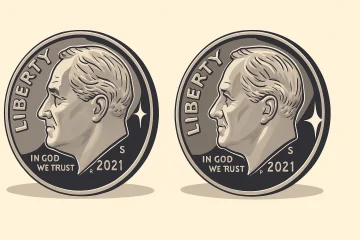
Old VS New Dimes — Which Ones to Collect?

Collectors of coins have long cherished dimes for their miniature yet beautiful elegance, historic depth, and artistic nuance. Whether the Read more…

By Dr. Novak, 2 monthsNovember 5, 2025 ago
Health

Life Is Passing By: How to Stay in Focus

Success at school, being productive at work, having good conversations, and our general well-being are all directly connected to how Read more…

By Dr. Novak, 3 monthsSeptember 23, 2025 ago
a man sits on a bench in the street and covers his eyes with his hands
A cozy study room with a person engaged in a creative hobby. 
Fundamentals

What Your Hobbies Say About You: The Psychology of Hobbies and Their Meanings

Everyone is looking for ways to express themselves – some people paint, some collect rare objects, and some find happiness Read more…


By Dr. Novak, 10 monthsFebruary 13, 2025 ago
Fundamentals

The Economics of Modern Bullion Coins: Why Premiums Rise and Fall

Bullion coins trade above their metal price. The difference comes from market premiums. They move up and down, and the Read more…

By Dr. Novak, 2 daysDecember 18, 2025 ago
Bullion coins trade above their metal price. The difference comes from market premiums. They move up and down, and the pattern confuses many buyers. A free coin value checker helps you see the base value of gold or silver in any coin, but it cannot explain why two identical pieces sell at different prices. Premiums react to supply, demand, mint reputation, and investor behavior. When demand spikes, premiums climb. When supply grows, premiums fall. Here we would like to discuss how these movements work and how you can read them before buying. Spot Price vs. Premium: Two Sides of Bullion Value Every bullion coin has two components: the metal price and the market premium. Spot price reflects the cost of a troy ounce of gold, silver, or platinum. It changes daily. Premium shows how much buyers pay above that level. Spot price depends on global markets. Premium depends on distribution, demand, production costs, and mint reputation. Many investors watch only the metal price. They ignore the premium and overpay. Understanding both parts helps you evaluate any offer. Short structure: Spot price shows raw metal value. Premium shows market demand and supply. The final price equals both added together. Examples illustrate the gap. A Silver Eagle often costs more than other silver coins because of its strong brand. Even if the spot price stays flat, the premium rises when supply falls. When mint production slows, dealers raise premiums to match higher demand. Risks That Affect Premiums: What Can Go Wrong Market mistakes often come from misunderstanding premiums. Buyers sometimes act too fast during hype periods. They pay prices that drop months later. Typical risks: Overpaying during demand spikes. Buying counterfeit bullion from unreliable sources. Confusing bullion with numismatic products. Buying at peak premium levels. For example, Silver Eagles sold at very high premiums during intense demand. A few months later, the market cooled, and premiums dropped. Buyers who acted too quickly lost value. Counterfeits also remain a risk. Fake gold coins often match the correct weight but fail purity tests. Understanding these dangers protects you from expensive errors. Alt: A points to one of the coins as the “more liquid” option. Her face is focused and calm. Why Some Bullion Coins Always Carry Higher Premiums Some coins maintain high premiums at all times. Buyers trust certain mints more than others. They prefer well-known designs and stable purity. New investors or collectors often choose familiar coins because they feel safer. Coins with strong reputations: American Gold Eagle - stable demand and recognizable design. Canadian Maple Leaf - low premium, but very strong liquidity. Perth Mint bullion - higher premium because of controlled mintages and popular themes. Premiums grow for three reasons: recognition, proven purity, and constant buyer interest. A premium does not always reflect rarity. It often reflects trust. Investors pay extra because they know the coin will be easier to resell later. Market Forces That Push Premiums Up Premiums rise quickly during unstable periods. When stocks fall, many investors switch to bullion. Dealers sell out fast. When inventory shrinks, prices rise above normal. Common reasons premiums rise: Depleted supply. High buying activity. Delays at major mints. Industrial demand for silver. Real examples highlight this pattern. During supply shortages, premiums on American Silver Eagles increased sharply. Dealers had long waiting lists, and customers paid much more than usual. Gold premiums also spiked during economic panic because investors wanted secure assets. Why Premiums Fall Even When Metal Prices Rise Premiums do not only rise. They fall when supply grows, or investor demand cools. Sometimes metal price goes up, but premiums still drop because the market becomes calmer. Causes of falling premiums: Increased mint output. Lower investor interest after crisis periods. Large quantities appear on the secondary market. Cheaper alternatives enter the market. A clear example is the Canadian Maple Leaf. When distribution returned to normal after shortages, the premium dropped even though the silver price stayed high. Secondary market sales often create additional downward pressure. Patterns to note: When supply exceeds demand → premiums decrease. Rising spot price can discourage investors → premiums shrink. Secondhand coins often pull prices down → lower premiums. Bullion vs. Semi-Numismatic: When Collector Interest Shapes Pricing Some bullion coins gain a premium not only from metal value but also from collector interest. These pieces move into the semi-numismatic category. Their price depends on design quality, theme, and mintage. Semi-numismatic coins attract both investors and collectors. They may appreciate faster because of low mintages or strong visual appeal. For example: Lunar Series from Perth Mint — higher premiums due to limited releases. Mexican Libertad low-mintage issues — strong collector demand and rapid sell-outs. Main drivers are small production runs, unique artwork, and growing collector communities. A bullion coin becomes semi-numismatic when market interest grows faster than supply. Secondary Market Dynamics: How Buyers and Sellers Move Prices The secondary market plays a major role in shaping premiums. Dealers adjust buying and selling prices based on inventory. When they receive many coins from sellers, premiums drop. When they lack stock, premiums rise. Factors that move premiums: Liquidity of the series. Amount of incoming supply. Speed of sales. Real cases show this balance. Large batches of Krugerrands on the market lower average premiums. However, when Britannias appear in smaller quantities, premiums rise because buyers outnumber sellers. The secondary market often provides better pricing than the primary market, especially when investor demand slows. Understanding this helps you avoid unnecessary premiums. Practical Tools Investors Use to Track Bullion Prices Investors track premiums through digital tools. A free coin identifier and value tool helps you see typical market levels for similar coins. These tools allow you to compare trends and monitor price shifts. The app provides fast access to basic data: metal type, purity, weight, and common price points. It is helpful when checking several offers or evaluating secondhand bullion. Use these tools for: Quick comparison. Tracking long-term price movement. Spotting changes in premium behavior. Digital tools simplify the process, but you still need to understand broad market forces to avoid overpaying. Alt: A woman checks live metal prices and current premiums in a mobile app while evaluating the price of a silver bullion coin she is going to buy. FAQs Why are silver premiums often higher than gold premiums? Silver has a lower metal value per ounce, so production, shipping, and storage take a larger share of the final price. Demand rises sharply when supply tightens, and this pushes premiums even higher. Silver also moves through the market in much larger quantities, which increases pressure during periods of active buying. Should I buy bullion during a period of shortage? It is usually safer to wait. Shortages push premiums far above normal levels. When supply returns, premiums fall, and buyers who rushed in often overpay. The metal price does not protect you from this drop, because the premium itself collapses first. Why do new coins have higher premiums than secondary market coins? New coins include minting, packaging, and distribution costs. Dealers also pay more for sealed new inventory. Secondary market coins avoid these expenses, so the premium is lower even when the metal content is identical. How do I know if a premium is fair? Compare prices across several dealers, check the average premium on the secondary market, and look at recent changes. Fair premiums stay close to the market range. If the spread between buy and sell prices is too wide, the deal is weak. Why does the premium size change even when the metal price stays stable? Premiums react to supply, not only to metal charts. When wholesalers release large batches, the market softens. When they hold stock or face delays, premiums rise even if the spot price does not move. Are high-premium bullion coins a good long-term buy? Only if demand remains strong. Some high-premium coins lose part of their markup once the initial wave passes. Others keep it because collectors value the design, purity, or limited mintage. Study the series before committing. Do premiums behave differently for gold and silver? Yes. Gold premiums move slowly because the metal value dominates the final price. Silver premiums jump quickly because production and transport costs take a larger share and have a stronger influence when demand spikes. Conclusion Bullion prices shift with the market, so premiums never stay still. They rise when buyers rush in, or supplies tighten, and they ease when distribution returns to normal. Watching these swings helps you understand when a purchase makes sense and when it is better to wait. What is more, to make your checks easier, you can use the coin identifier app for Android and iOS. Coin ID Scanner shows the main details: metal, weight standard, purity, and a broad value range. This gives a fast snapshot before you compare dealers or look at recent sales. Your observation does the rest. When you follow premiums over time, you learn how different coins behave, how fast prices react to demand, and which releases stay the most liquid. This makes bullion decisions clearer.
The Importance of Identifying Trending Phrases
Fundamentals

Using Big Data to Identify Emerging Self-Empowerment Trends

Introduction to Big Data in Self-Empowerment Analysis Have you ever felt like life’s biggest questions are hidden in a maze Read more…


By Dr. Novak, 9 months ago
Health

Practice Mindfulness with Your Smartphone: Top Apps for Consciousness and Raising Life Quality

Social media notifications, emails, digital workflow — all of these are distractions that constantly bombard us. It’s not surprising that Read more…

By Dr. Novak, 9 monthsApril 7, 2025 ago
A woman practices meditation via a special app on her smartphone while wearing headphones.
Top Categories of Confidence-Boosting Quotes
Fundamentals

Top Pocket Quotes for Instant Confidence Boosts

How Short Quotes Can Inspire Confidence Tiny Words, Big Impact Have you ever stumbled upon a quote so sharp and Read more…


By Dr. Novak, 9 months ago
Fundamentals

Exploring the Nostalgia Factor in Classic Movie One-Liners

The Power of Memorable Movie Quotes Why Some Lines Stick Like Glue to Our Memories Have you ever caught yourself Read more…

By Dr. Novak, 9 months ago
How Nostalgia Shapes Our Connection to Films
Examples of Witty Lines for Different Productivity Scenarios
Fundamentals

Short Comedic Lines to Brighten Up Your Productivity Apps

Why Humor Enhances Productivity Apps How a Dash of Laughter Can Transform Your Workflow Ever notice how a great joke Read more…


By Dr. Novak, 9 months ago
Fundamentals

AI-Driven Quote Translations for Bilingual Mindfulness Programs

Understanding the Role of AI in Bilingual Mindfulness Programs The Invisible Hand of AI in Mindfulness When it comes to Read more…

By Dr. Novak, 9 months ago
Benefits of AI-Driven Translations for Mindfulness Practices
The Role of Quote Translations in Mindfulness Programs
Fundamentals

AI-Driven Quote Translations for Bilingual Mindfulness Programs

Understanding AI in Bilingual Mindfulness Practices How AI Adds a Human Touch to Bilingual Mindfulness Imagine sitting cross-legged, eyes gently Read more…

By Dr. Novak, 9 months ago

Posts pagination

1 2 … 5 Next

Recent Posts

  • Bullion coins trade above their metal price. The difference comes from market premiums. They move up and down, and the pattern confuses many buyers. A free coin value checker helps you see the base value of gold or silver in any coin, but it cannot explain why two identical pieces sell at different prices. Premiums react to supply, demand, mint reputation, and investor behavior. When demand spikes, premiums climb. When supply grows, premiums fall. Here we would like to discuss how these movements work and how you can read them before buying. Spot Price vs. Premium: Two Sides of Bullion Value Every bullion coin has two components: the metal price and the market premium. Spot price reflects the cost of a troy ounce of gold, silver, or platinum. It changes daily. Premium shows how much buyers pay above that level. Spot price depends on global markets. Premium depends on distribution, demand, production costs, and mint reputation. Many investors watch only the metal price. They ignore the premium and overpay. Understanding both parts helps you evaluate any offer. Short structure: Spot price shows raw metal value. Premium shows market demand and supply. The final price equals both added together. Examples illustrate the gap. A Silver Eagle often costs more than other silver coins because of its strong brand. Even if the spot price stays flat, the premium rises when supply falls. When mint production slows, dealers raise premiums to match higher demand. Risks That Affect Premiums: What Can Go Wrong Market mistakes often come from misunderstanding premiums. Buyers sometimes act too fast during hype periods. They pay prices that drop months later. Typical risks: Overpaying during demand spikes. Buying counterfeit bullion from unreliable sources. Confusing bullion with numismatic products. Buying at peak premium levels. For example, Silver Eagles sold at very high premiums during intense demand. A few months later, the market cooled, and premiums dropped. Buyers who acted too quickly lost value. Counterfeits also remain a risk. Fake gold coins often match the correct weight but fail purity tests. Understanding these dangers protects you from expensive errors. Alt: A points to one of the coins as the “more liquid” option. Her face is focused and calm. Why Some Bullion Coins Always Carry Higher Premiums Some coins maintain high premiums at all times. Buyers trust certain mints more than others. They prefer well-known designs and stable purity. New investors or collectors often choose familiar coins because they feel safer. Coins with strong reputations: American Gold Eagle - stable demand and recognizable design. Canadian Maple Leaf - low premium, but very strong liquidity. Perth Mint bullion - higher premium because of controlled mintages and popular themes. Premiums grow for three reasons: recognition, proven purity, and constant buyer interest. A premium does not always reflect rarity. It often reflects trust. Investors pay extra because they know the coin will be easier to resell later. Market Forces That Push Premiums Up Premiums rise quickly during unstable periods. When stocks fall, many investors switch to bullion. Dealers sell out fast. When inventory shrinks, prices rise above normal. Common reasons premiums rise: Depleted supply. High buying activity. Delays at major mints. Industrial demand for silver. Real examples highlight this pattern. During supply shortages, premiums on American Silver Eagles increased sharply. Dealers had long waiting lists, and customers paid much more than usual. Gold premiums also spiked during economic panic because investors wanted secure assets. Why Premiums Fall Even When Metal Prices Rise Premiums do not only rise. They fall when supply grows, or investor demand cools. Sometimes metal price goes up, but premiums still drop because the market becomes calmer. Causes of falling premiums: Increased mint output. Lower investor interest after crisis periods. Large quantities appear on the secondary market. Cheaper alternatives enter the market. A clear example is the Canadian Maple Leaf. When distribution returned to normal after shortages, the premium dropped even though the silver price stayed high. Secondary market sales often create additional downward pressure. Patterns to note: When supply exceeds demand → premiums decrease. Rising spot price can discourage investors → premiums shrink. Secondhand coins often pull prices down → lower premiums. Bullion vs. Semi-Numismatic: When Collector Interest Shapes Pricing Some bullion coins gain a premium not only from metal value but also from collector interest. These pieces move into the semi-numismatic category. Their price depends on design quality, theme, and mintage. Semi-numismatic coins attract both investors and collectors. They may appreciate faster because of low mintages or strong visual appeal. For example: Lunar Series from Perth Mint — higher premiums due to limited releases. Mexican Libertad low-mintage issues — strong collector demand and rapid sell-outs. Main drivers are small production runs, unique artwork, and growing collector communities. A bullion coin becomes semi-numismatic when market interest grows faster than supply. Secondary Market Dynamics: How Buyers and Sellers Move Prices The secondary market plays a major role in shaping premiums. Dealers adjust buying and selling prices based on inventory. When they receive many coins from sellers, premiums drop. When they lack stock, premiums rise. Factors that move premiums: Liquidity of the series. Amount of incoming supply. Speed of sales. Real cases show this balance. Large batches of Krugerrands on the market lower average premiums. However, when Britannias appear in smaller quantities, premiums rise because buyers outnumber sellers. The secondary market often provides better pricing than the primary market, especially when investor demand slows. Understanding this helps you avoid unnecessary premiums. Practical Tools Investors Use to Track Bullion Prices Investors track premiums through digital tools. A free coin identifier and value tool helps you see typical market levels for similar coins. These tools allow you to compare trends and monitor price shifts. The app provides fast access to basic data: metal type, purity, weight, and common price points. It is helpful when checking several offers or evaluating secondhand bullion. Use these tools for: Quick comparison. Tracking long-term price movement. Spotting changes in premium behavior. Digital tools simplify the process, but you still need to understand broad market forces to avoid overpaying. Alt: A woman checks live metal prices and current premiums in a mobile app while evaluating the price of a silver bullion coin she is going to buy. FAQs Why are silver premiums often higher than gold premiums? Silver has a lower metal value per ounce, so production, shipping, and storage take a larger share of the final price. Demand rises sharply when supply tightens, and this pushes premiums even higher. Silver also moves through the market in much larger quantities, which increases pressure during periods of active buying. Should I buy bullion during a period of shortage? It is usually safer to wait. Shortages push premiums far above normal levels. When supply returns, premiums fall, and buyers who rushed in often overpay. The metal price does not protect you from this drop, because the premium itself collapses first. Why do new coins have higher premiums than secondary market coins? New coins include minting, packaging, and distribution costs. Dealers also pay more for sealed new inventory. Secondary market coins avoid these expenses, so the premium is lower even when the metal content is identical. How do I know if a premium is fair? Compare prices across several dealers, check the average premium on the secondary market, and look at recent changes. Fair premiums stay close to the market range. If the spread between buy and sell prices is too wide, the deal is weak. Why does the premium size change even when the metal price stays stable? Premiums react to supply, not only to metal charts. When wholesalers release large batches, the market softens. When they hold stock or face delays, premiums rise even if the spot price does not move. Are high-premium bullion coins a good long-term buy? Only if demand remains strong. Some high-premium coins lose part of their markup once the initial wave passes. Others keep it because collectors value the design, purity, or limited mintage. Study the series before committing. Do premiums behave differently for gold and silver? Yes. Gold premiums move slowly because the metal value dominates the final price. Silver premiums jump quickly because production and transport costs take a larger share and have a stronger influence when demand spikes. Conclusion Bullion prices shift with the market, so premiums never stay still. They rise when buyers rush in, or supplies tighten, and they ease when distribution returns to normal. Watching these swings helps you understand when a purchase makes sense and when it is better to wait. What is more, to make your checks easier, you can use the coin identifier app for Android and iOS. Coin ID Scanner shows the main details: metal, weight standard, purity, and a broad value range. This gives a fast snapshot before you compare dealers or look at recent sales. Your observation does the rest. When you follow premiums over time, you learn how different coins behave, how fast prices react to demand, and which releases stay the most liquid. This makes bullion decisions clearer.
    The Economics of Modern Bullion Coins: Why Premiums Rise and Fall
  • Hands sorting coins and checking their digital profiles.
    Old VS New Dimes — Which Ones to Collect?
  • a man sits on a bench in the street and covers his eyes with his hands
    Life Is Passing By: How to Stay in Focus
  • The Importance of Identifying Trending Phrases
    Using Big Data to Identify Emerging Self-Empowerment Trends
  • A woman practices meditation via a special app on her smartphone while wearing headphones.
    Practice Mindfulness with Your Smartphone: Top Apps for Consciousness and Raising Life Quality
  • Top Categories of Confidence-Boosting Quotes
    Top Pocket Quotes for Instant Confidence Boosts
Hestia | Developed by ThemeIsle